Compare Local Contractors for Conduit Installation Projects
Compare local contractors for conduit installation to define project scope, verify experience, and establish clear expectations for a successful outcome.
Conduit installation involves setting up protective tubing or piping systems that house electrical wiring, telecommunications cables, or other utility lines within a property. This work typically covers planning the layout of the conduit routes, selecting appropriate materials, and ensuring proper placement to meet building codes and safety standards. Proper installation helps protect the wiring from damage, facilitates future upgrades or repairs, and maintains the overall safety and functionality of the property’s electrical or communication systems.
Defining the scope of conduit installation is a crucial step that influences the overall success of the project. Clear communication about the specific areas requiring conduit, the types of conduits needed, and any additional features such as junction boxes or access points helps prevent misunderstandings and scope creep. A well-defined scope also provides a basis for comparing different service providers, ensuring that each contractor understands the project requirements and can deliver services that meet those expectations. Writing the scope down can serve as a reference point for project details and help facilitate accurate project planning and execution.
When evaluating local contractors for conduit installation, property owners should consider their experience with similar projects and their familiarity with local building codes and regulations. Reviewing the scope of work and asking for detailed descriptions of their process can help identify which service providers are best suited for the job. Comparing contractors based on their expertise, communication clarity, and professionalism can lead to a more informed decision. Ensuring that expectations are outlined in writing and that all parties agree on the project scope helps promote transparency and helps set a solid foundation for a successful installation.
Compare local contractors by outlining project priorities, verifying experience, and establishing clear scope and expectations.
- Compare Contractor Experience - Review the backgrounds and project history of local contractors to assess their expertise.
- Define Scope Clearly - Establish detailed project requirements and expectations in writing before work begins.
- Verify Credentials and References - Check references and verify experience to ensure contractors have relevant project history.
- Set Expectations in Writing - Document all project details, including scope and responsibilities, to ensure clarity and accountability.
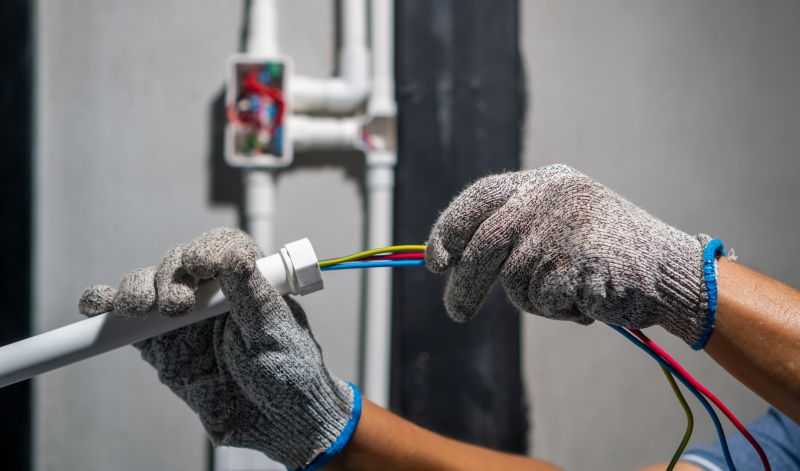
Before comparing contractors for conduit installation, clearly describe your project scope and verify their experience and written expectations.
- Verify that contractors clearly define the scope of conduit installation work in writing to avoid misunderstandings. - Ensure service providers have experience handling conduit installation specific to the project’s requirements.
- Compare multiple local contractors to evaluate their approach, methods, and level of detail in planning the installation process. - Check that the contractor’s proposed plan aligns with the project’s technical needs and site conditions.
- Review and confirm that all installation specifications adhere to relevant building codes and standards before work begins. - Confirm that service providers are prepared to handle the installation safely and correctly.
- Ask contractors to provide a detailed scope of work, including materials, installation methods, and any necessary permits or inspections. - Make sure expectations are set clearly and documented in writing for accountability.
- Assess the experience and background of local contractors to ensure they have successfully completed conduit installations similar to the project scope. - Look for references or examples of previous work that demonstrate reliability and expertise.
- Ensure that all project details, including responsibilities and deliverables, are documented in a comprehensive contract before work starts. - Establish a clear agreement to facilitate smooth communication and project execution.
Compare local contractors' experience and skills to clearly define your conduit installation scope and expectations.

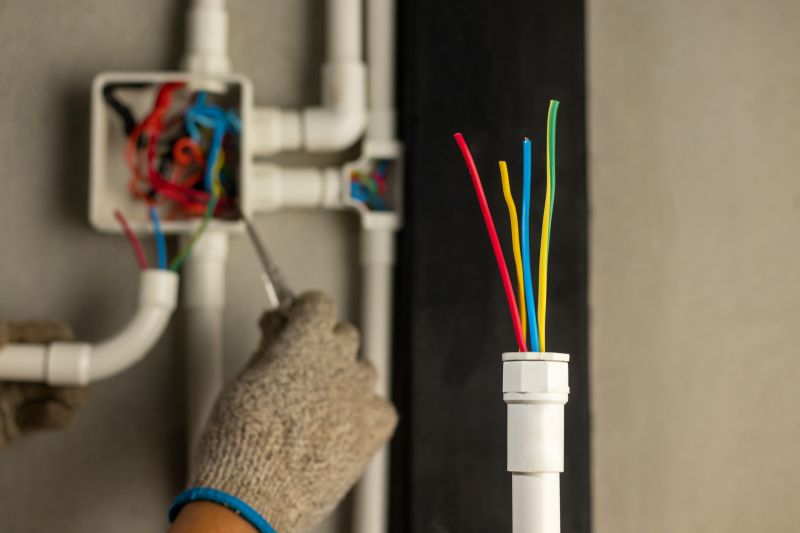
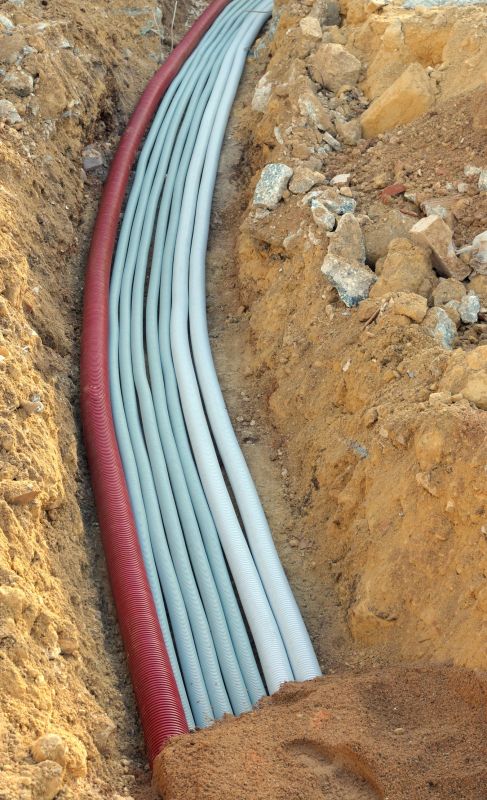
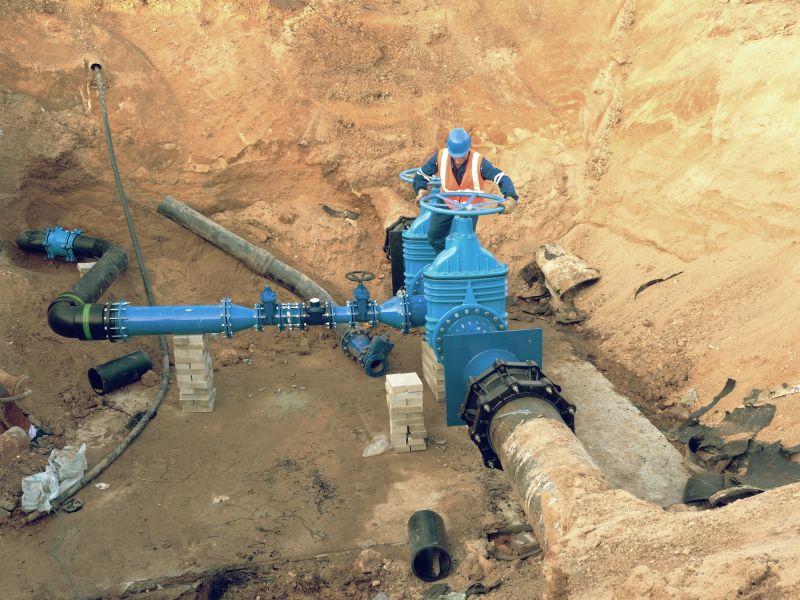
Learn how to compare local contractors for conduit installation by defining scope, verifying experience, and setting clear expectations.
- Scope Definition - Clearly outline the specific conduit installation tasks required for the project.
- Material Selection - Specify the types and sizes of conduit materials to be used in the installation.
- Experience Verification - Confirm that local contractors have relevant experience with conduit systems similar to the project scope.
- Installation Standards - Establish the installation methods and standards that service providers should follow.
- Written Expectations - Document all project details, responsibilities, and deliverables to ensure mutual understanding.
When comparing contractors for conduit installation, it is important to evaluate their experience with similar projects. Service providers with a proven track record in conduit work can demonstrate familiarity with the specific requirements of your property, ensuring they understand the complexities involved. Asking about previous projects of a comparable size or scope can help gauge their expertise and confidence in handling your installation smoothly and efficiently. A contractor’s background in similar jobs can be a valuable indicator of their ability to deliver quality results aligned with your expectations.
A clear, written scope of work is essential for establishing mutual understanding and setting realistic expectations. When consulting with potential contractors, it’s helpful to review detailed descriptions of the work to be performed, including the materials to be used, the installation process, and any specific site considerations. A well-defined scope reduces the risk of misunderstandings and provides a reference point for both parties throughout the project. Service providers who can articulate their approach in writing demonstrate professionalism and a commitment to transparency.
Verification of a contractor’s experience can be supported by requesting references or case studies from previous clients. While not a guarantee of future performance, these insights can offer perspectives on the contractor’s reliability, quality of work, and ability to meet project requirements. Additionally, verifying that the contractor has the necessary equipment and resources for conduit installation can help assess their capacity to complete the job efficiently. Ensuring the contractor’s background aligns with the project’s scope helps in making an informed decision.
Evaluating options without focusing on prices involves assessing the quality of communication, professionalism, and clarity provided by each service provider. Comparing how thoroughly each contractor explains their process, responds to questions, and provides written documentation can reveal their level of expertise and dedication to the project. It’s also beneficial to consider their availability and willingness to customize solutions to your needs. By focusing on these aspects, homeowners can identify service providers who are well-suited to deliver reliable conduit installation services that meet project specifications.
Ask contractors to provide written scope details to ensure clear expectations and consistent project understanding.
- Experience and Expertise - What specific experience do local contractors have with conduit installation projects similar to yours?
- Scope of Work - How do contractors define and clarify the scope of the conduit installation to ensure all expectations are aligned?
- Project Approach - What methods or standards do service providers follow to ensure quality and safety during conduit installation?
- Communication and Documentation - How do local contractors document the project scope and expectations in writing to prevent misunderstandings?
- Comparison Factors - What criteria should be used to compare different contractors' approaches and qualifications for conduit installation?
What should I consider when choosing a conduit installation contractor? It's important to compare local contractors based on their experience, reputation, and scope of services. Reviewing their past work and verifying their familiarity with the specific conduit types needed can help ensure a successful project.
How can I define the scope of conduit installation work? Clearly outlining the project details, including the type and length of conduit, location, and any special requirements, helps contractors provide accurate proposals and sets clear expectations for the job.
What questions should I ask a contractor about their experience? Inquire about their past projects involving conduit installation, the types of systems they've worked with, and their familiarity with relevant codes and standards to gauge their expertise.
Why is it important to get written agreements with contractors? Having all project details, scope, and expectations documented in writing helps prevent misunderstandings and provides a clear reference for the work to be performed.
How can I compare different conduit installation service providers? Review their experience, scope of services, references, and the clarity of their proposals to find the best match for your project needs.
What should I look for in a contractor's proposal? Ensure the proposal clearly describes the scope of work, materials to be used, project specifications, and any terms or conditions to facilitate an informed comparison.
This page has highlighted the importance of clearly defining the scope of conduit installation projects, verifying the experience of local contractors, and setting expectations in writing to ensure smooth communication and successful outcomes. By understanding these key aspects, homeowners and property managers can make more informed decisions when comparing service providers for conduit installation needs.
To explore your options and find the right contractor for your project, use the quote form to connect with local service providers. Comparing your choices can help identify the best fit for your specific requirements, providing clarity and confidence as you move forward with your conduit installation plans.